A fly floatant is an essential tool for anyone who fishes dry flies. Its primary job is to repel water, prevent materials from becoming saturated, and keep the fly floating properly on the surface film. When a fly floats correctly, it drifts naturally, remains visible, and continues to trigger confident takes.
Different floatants serve different purposes depending on fly type, water conditions, and personal preference. Some anglers prefer precise application to specific parts of a fly, while others want a fast, all-over treatment that’s easy to apply on the water. Having the right floatant—and knowing when to use it—can make a noticeable difference in how long your fly stays effective.
Our floatant selection focuses on High N Dry products, widely regarded as some of the best-performing floatants available today. These floatants are non-toxic, non-flammable, environmentally friendly, and free of organic solvents. Designed for real-world fishing, they provide excellent water-repelling properties without damaging delicate materials like CDC, dubbing, or hackle.
Choosing the Right Fly Floatant
For precise application
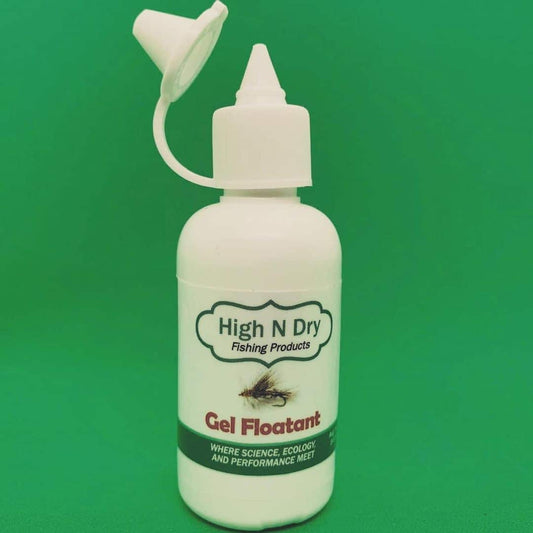
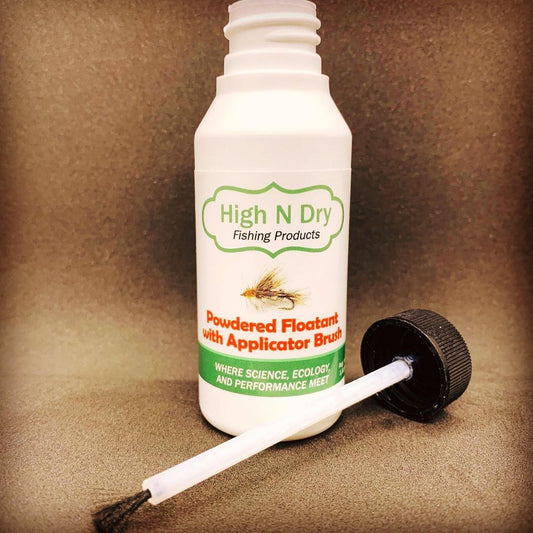
When you want to treat only certain parts of a fly—such as hackle tips or wings—use a Gel Fly Floatant or Powdered Floatant with Applicator Brush. These allow controlled application without over-saturating the fly.
For fast, all-over treatment
If you prefer a quick “dip & cast” method, a Liquid Fly Floatant is ideal for coating the entire fly evenly before fishing.
For maximum convenience on the water
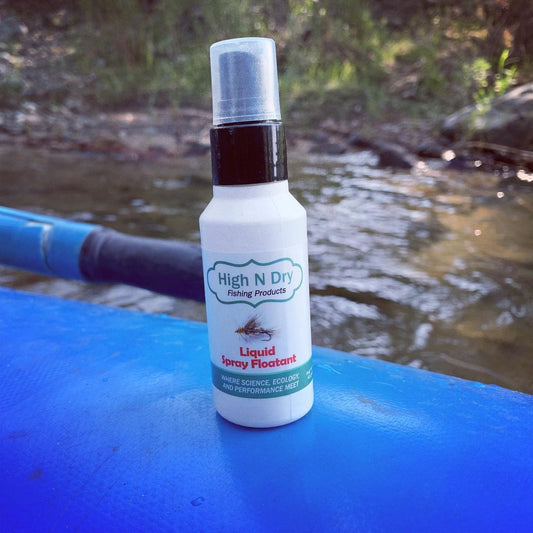
A Liquid Spray Floatant offers fast, mess-free application—especially useful when changing flies frequently.
For reviving water-logged flies
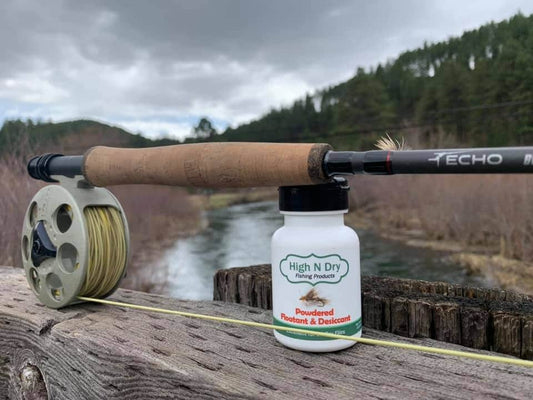
After a fish eats your fly or it becomes slimed and soaked, a Powdered Floatant with Desiccant helps dry and rejuvenate the fly, restoring floatability between casts.
Why Floatants Matter
A properly floating fly drifts more naturally, stays visible longer, and fishes effectively for more of the day. Instead of constantly changing flies, the right floatant lets you maintain confidence in a pattern that’s already proven itself—keeping you focused on presentation, reading water, and timing your cast.