Collection: Caddis Pupa Pattern
The caddis pupa stage is short, chaotic, and incredibly important. As larvae transform and begin to rise, they lose their grip on the bottom and become easy targets. Trout respond quickly, often feeding aggressively just below the surface or throughout the water column.
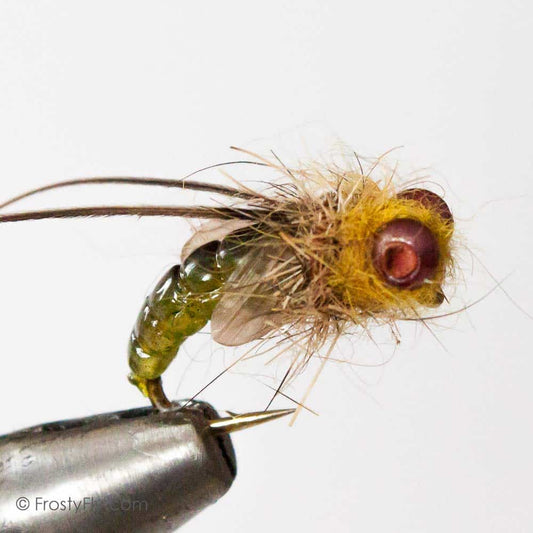
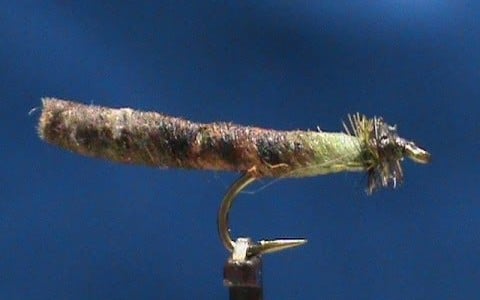
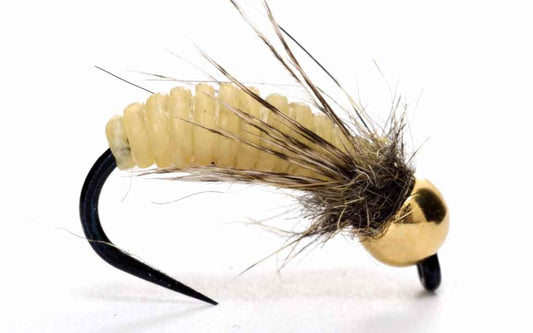
The materials in this Caddis Pupa Pattern collection are built specifically for that transitional phase. Silicone and tube-style pupa bodies provide lifelike shape and translucence, helping patterns suggest movement and trapped air without excessive bulk. Catgut biothread adds natural segmentation and softens in the water, creating a convincing pupa profile that looks alive in the drift.
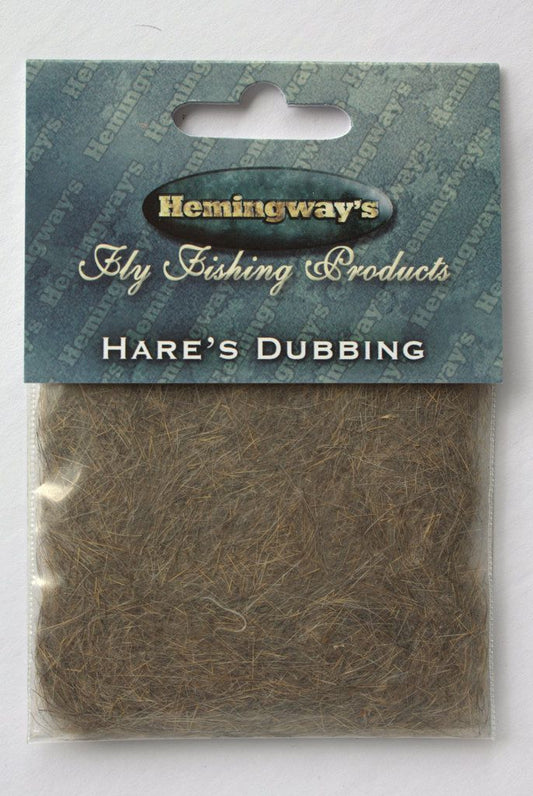
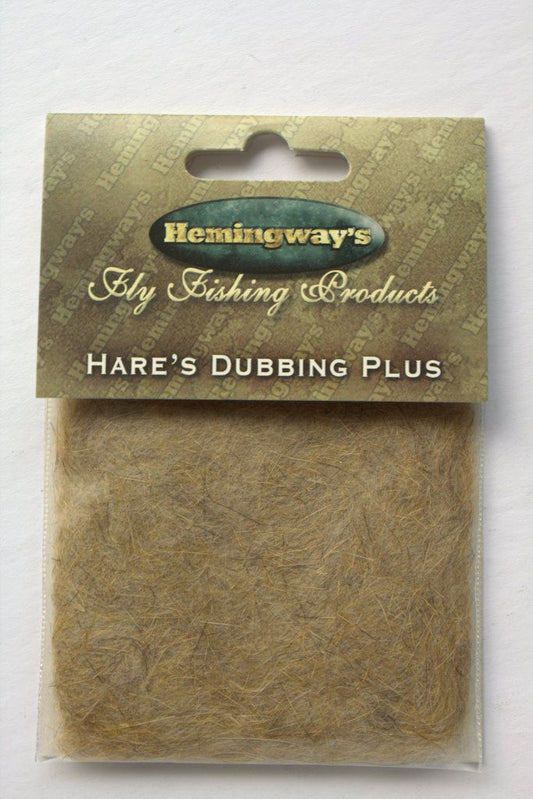
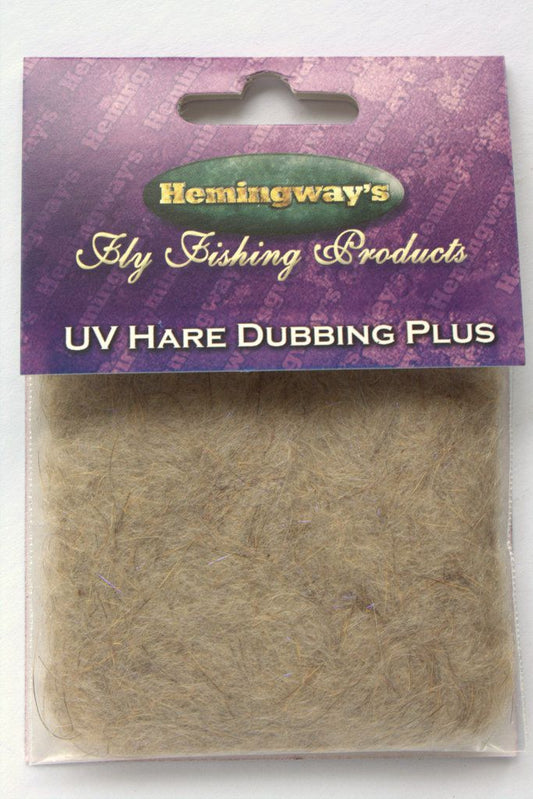
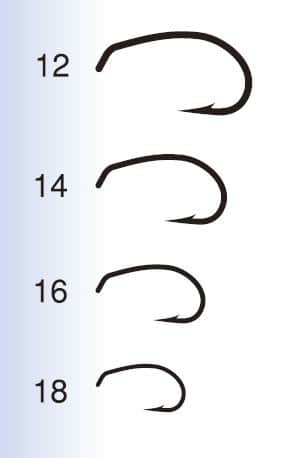
Stretch ribbing reinforces bodies and adds subtle contrast, while buggy hare and hare-plus dubbing blends create textured thoraxes that pulse and breathe underwater. Curved, heavy-wire caddis and shrimp hooks offer the correct posture and strength for fishing pupae in moving water, whether you’re swinging, drifting, or fishing just under the film.
This collection is about timing and confidence. When caddis are emerging, and trout shift their focus upward, pupa patterns tied with these materials sit right in the strike window — and that’s when fishing gets good fast.
Explore Our Fly Tying Video Tutorials
Want to see how these materials fish in real water? Our fly-tying video gallery covers proven caddis pupa patterns, material choices, and drift control tips for fishing the most productive stage of the hatch.