Terrestrial Preshaped Foam Bodies 3 mm
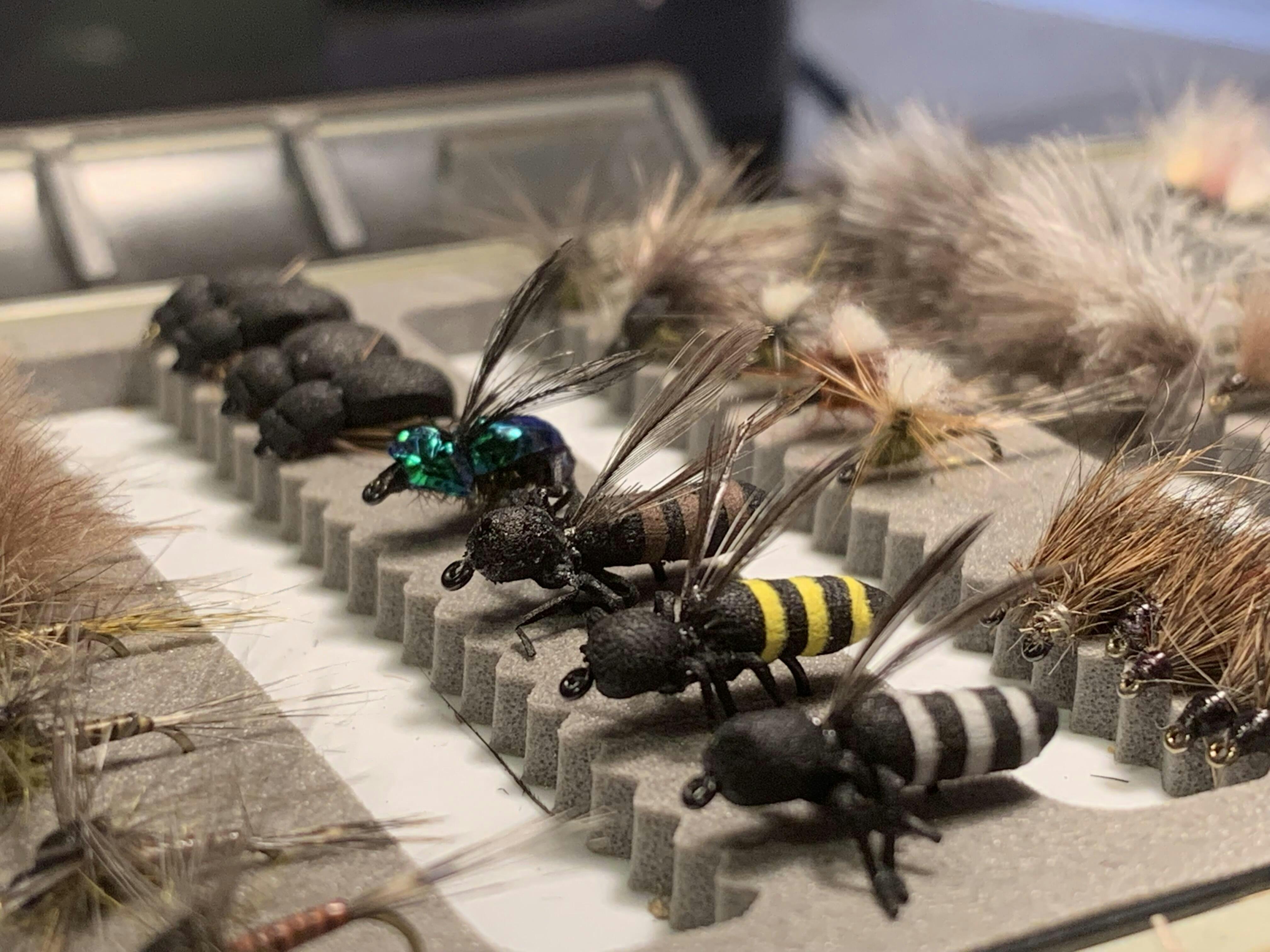
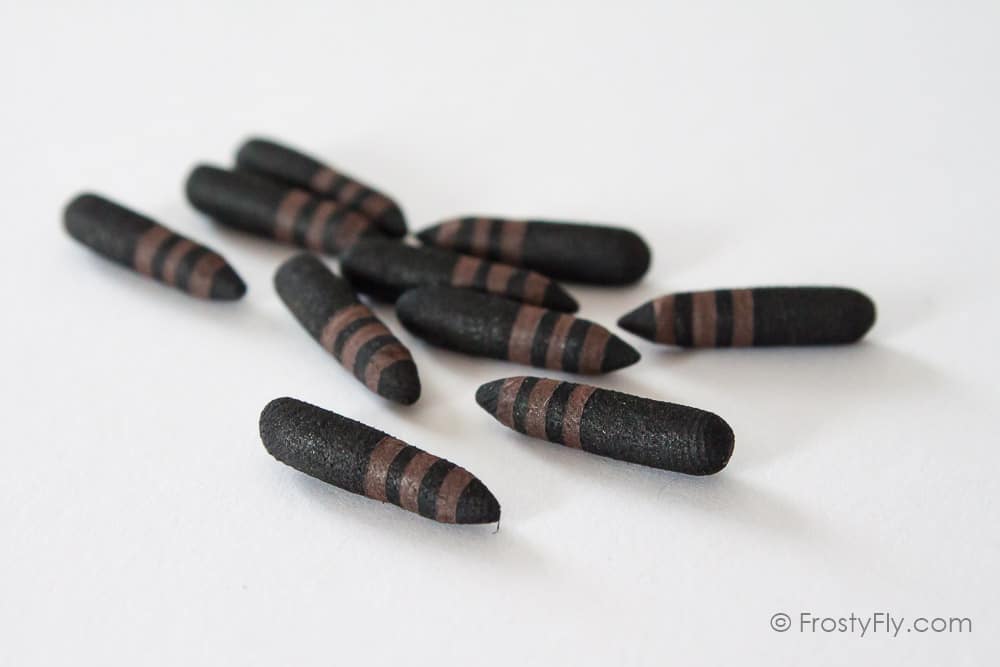
Terrestrial Pre-Shaped Foam Bodies 3 mm are ready-to-use foam bodies designed for tying realistic terrestrial patterns such as bees, wasps, bumblebees, and other floating insects. Their tapered shape closely matches the natural profile of these insects while still allowing you to trim and customize each body to suit your favorite fly patterns.
Made from dense, high-quality foam, these bodies are lightweight, highly buoyant, and easy to work with. They remain water-resistant and durable throughout repeated use, helping your flies stay afloat while standing up to fish after fish.
The 3 mm diameter makes them an excellent choice for medium-sized terrestrial patterns, while the striped detail at one end provides a realistic foundation for tying convincing bees, wasps, and bumblebees with minimal effort.
For an even more lifelike finished fly, pair them with Realistic Insect Legs 3D.
Each pack contains 10 pre-shaped foam bodies.
Available in three striped color options:
- Yellow Stripes
- Gray Stripes
- Honey Stripes
Fly Fishing Terrestrial Flies
Terrestrial insects are land-dwelling insects that occasionally end up on the water, becoming an easy and nutritious meal for trout and other game fish. Common terrestrials include grasshoppers, ants, beetles, bees, wasps, crickets, and other insects that live along the riverbank.
Terrestrial patterns come into their own from late spring through autumn, when trout increasingly take advantage of these high-protein food sources. Larger than many aquatic insects, terrestrials provide a substantial meal, and fish are often quick to seize the opportunity when one lands on the water.
The best time to fish terrestrial patterns is usually from late morning through the evening, when these insects are most active. Windy days can be especially productive, as the breeze regularly blows hoppers, beetles, bees, and other insects onto the water.
Focus your casts along grassy banks, cut banks, under overhanging trees, and beside streamside vegetation, where trout often wait for terrestrials to fall into the current. As the drift continues, allowing the fly to move naturally toward midstream can also produce takes.
On smaller streams, terrestrial insects often make up a significant part of a trout's diet throughout the warmer months. Whenever you're fishing water bordered by grass, shrubs, or trees, carrying a selection of terrestrial patterns is always a good idea.
One of Our Fly Tying Recipes
Frosty Fly Realistic Bee
For a full list of ingredients for a Realistic Bee pattern, go here.