Built by anglers who value performance and reliability. Every product is designed for real use on the water, tested in demanding conditions, and refined through experience.
Shipping
Flat-rate shipping on all orders with full tracking included. Orders are processed and shipped within 1–3 business days. International shipping is available.
Returns
30-day returns on unused items, backed by our 100% satisfaction guarantee. If something isn’t right, contact us and we’ll help make it right.
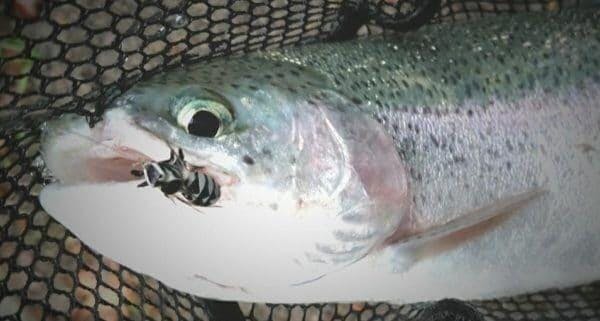
Our Realistic Horse Fly is a true representation of this insect. The fly features the segmented insect body, the black and gray markings, a pair of authentic looking wings and three pairs of bulky, flexible, stretchable legs. The fly has been designed and created to mimic the real horse fly in its looks and behavior. It is lightweight and floatable to authentically represent the insect when it hits the water. As these flies are chunky and full of protein, they are rarely passed by the hungry trout during hot, sunny summer days this pattern might be a real goal mine.
Horse Fly Fishing
Latin: Tabanus Family: Tabanidae Horse Fly (also known as Gad Fly, Botfly, Breeze Fly or Deer Fly) is the dipterousinsect (insect with a single pair of wings). These insects are mostly found around animals as they suck their blood and for their annoying buzzing. Horse flies range in size, but are generally larger than common house flies. They are usually found around streams and wooded areas. As they emerge as adults in late June, they are most active in the hot summer months during the day, when the sun is up. They are inactive at night. Adult horse flies feed on plant nectar and honeydew, while females feed on blood they suck the protein-rich blood of animals and humans so they could reproduce. Horse flies are agile and fast fliers.
Fly Fishing Terrestrial Flies
Terrestrial insects are land-bred. Some of the species of terrestrials include: hoppers (grasshoppers), ants, beetles, bees, crickets, etc. Terrestrials are one of the essential food sources for trout and other game fish during summer months. Hot summer months are when the aquatic insects become sparse, the trout is the most active and grows the fastest. This is when terrestrials become their most important food source as a rich source of protein. A terrestrial falling into the water is a great and nutritious meal for fish as these insects are usually bulkier and heavier than aquatic insects and they provide a large calorie intake when the trout need it most. Terrestrial fly patterns are effective from May till October, and sometimes even into the November. As terrestrials are most active and most likely to fall in the river during the day, the best time to fish these fly patterns is anytime from late morning all the way through the evening. Windy days are best as the wind pushes them to the water. Optimal locations to present terrestrial patterns is along cut banks, grassy shorelines or under big trees places where fish wait for them easy meals just dropping in. As these insects will eventually be pulled further into the river - midstream can also be a good place to present your fly. On smaller streams fish are depending mostly on terrestrials as their food source. Small waters dont have the high-energy riffles where the aquatic insects spend much of their lifecycles. For fishing small streams terrestrials are a must. Being it mid-summer, early fall, or the midst of spring - fishing terrestrial fly patterns can provide top dry-fly action!
Had a last minute chance to hit some water again tonight. The fish we're super picky but the frosty fly flies came they like a champ.
Get 10% Off Your First Order
Sign up to get fresh arrivals, exclusive deals, and fly fishing inspiration — plus your 10% off code, delivered instantly to your inbox. (New subscribers only)
Choosing a selection results in a full page refresh.